



Back to series


CHAPTER 5
Obeying Jesus
If you love me, you will keep my commandments.
John 14:15
Jesus explained to his disciples that those who love Him will keep His commandments; they will obey Him. For some people, Jesus’ emphasis on obedience feels unsettling. It may strike them as rigid or harsh. Or it may arouse fears of legalism or suggest a desire to control, both of which have a long, sordid history.
Perhaps for all of us, obedience to anyone other than ourselves challenges our inherent drive toward autonomy and the independent, individualistic bent that is especially prevalent in American culture. Many of us do not want anyone telling us what to do, not even God.
Our reservations about obedience may dissipate when we realize that Jesus stresses obedience not to oppress and afflict us, but to bless us. We have only to think of a father insisting to his little daughter that she not ride her bicycle on the driveway, which slopes down to the busy street in front of the family home. Obedience to Jesus does us good and gives God glory (see Deut. 10:13; 1 Cor. 7:35).
Disobedience to God’s words is what plunged His pristine world into the sin, suffering, sorrow, and death that each of us lives with today. Obeying His words—starting with the gospel call to repent and believe—can reconcile our relationship with Him and set us on the path of deliverance from these evils.
Obedience Flows Out of Gratitude
We’ll discuss more specifics about obedience to God in this chapter and the next. But first, let’s consider something more basic: our motivation to obey.
It helps to remind ourselves often that we are not meant to obey God or do good works to gain His favor. Rather, we are to obey Him from hearts of grateful love. We are to seek to please our Father in heaven, the same God who loves us, has redeemed us, watches over us, and daily seeks our good. Obedience is a loving response to the One who loves us, not a forced effort on our part to earn His love.

Our Father delights to bless and reward our obedience. At great cost to Himself, He gave up His beloved Son on the cross to pay the penalty for our sins. He now offers us a complete pardon and a new life empowered by His Spirit. The greatest of His blessings, of course, is to know Him personally. Our obedience plays a key part in how this happens. As John Calvin said, “All true knowledge of God is born of obedience.”1
Knowing God begins when we obey the command of Jesus to “repent and believe in the gospel” (Mark 1:15). It deepens as we obey Jesus’ call to follow Him as a disciple. In doing so, we experience what C. S. Lewis found as he sought to follow Jesus: “Obedience is the key to all doors; feelings come (or don’t come) as God pleases.”2 Every act of obedience has its own reward.
The importance of obeying Jesus becomes clearer when we remember that He did not come into this world simply to rescue us from hell and eternal damnation (as important as that is). Our rescue was the first step in a much more glorious plan, which includes leading us out of the sinful ways of this present evil age and into the fullness of life and righteousness in God’s kingdom.
We will explore this more fully ahead, but a few words here will be helpful preparation. Imagine that each of us is lost in a dense jungle infested with deadly snakes and predators. A skilled and experienced guide has set out to rescue us. First, he must come to where we are, for we certainly can’t go to him. Once he finds us, he must liberate us from the vines and underbrush that entangle us. Then he must lead us on the long, difficult, and perilous journey back to safety. We can survive the journey only by following his expert guidance and protection. Obedience to his instructions means life or death. Our state in this fallen world looks much like this.
Jesus’ call to obey really is a life-or-death matter. He does not give arbitrary or capricious commands, but loving directives filled with life-giving grace. They flow out of His love for us and His desire to see us transformed and prepared for the world to come. And He wants us to glorify God along the way.
Jesus’ work in us does not come easy, for it involves helping us, through His Spirit, to fight a lifelong battle with the world, the flesh, and the devil (see the companion volume to this book, Abiding in Jesus Christ: A Guide to Maturing in Authentic Discipleship). The enemy within all of us—the Trojan horse of our fleshly desires—makes this battle difficult.
Jesus described some of the deeds of the flesh when He said, “What comes out of a person is what defiles him. For from within, out of the heart of man, come evil thoughts, sexual immorality, theft, murder, adultery, coveting, wickedness, deceit, sensuality, envy, slander, pride, foolishness. All these evil things come from within, and they defile a person” (Mark 7:20–23). Some of these sins of the old, fleshly nature can dominate our lives before the new birth.
But thanks be to God, once the Holy Spirit brings us into union with Christ through faith in His death and resurrection, thus giving us newness of life, sin can no longer dominate and enslave us as it once did. The Spirit breaks the bondage of our will to sin and its ability to control us. We then become able to live in obedience to God.
Such a life does not come automatically, however. Like a low-level infection held in check by medication, sin still resides in us (albeit in a weakened state) and can sometimes flare up. This explains why certain sins, often ones from our past, can rise and tempt us. But because the Holy Spirit now indwells and empowers us, we can oppose and overcome sin by choosing to resist it and obey God (Gal. 5:16–18, 25). If we do not choose to resist, we will go down in defeat.
Each time we feel tempted, we face this choice again. The flesh beckons us to give in; but if we do so, we betray our Redeemer and interrupt our fellowship with Him. We turn away from the safe and secure path that He is offering us through the Spirit. Capitulating has other consequences as well, for disobedience brings darkness to the soul, and the more we disobey, the greater the darkness becomes. This includes the strengthening of the sinful desire to which we have just yielded ourselves—making it harder to resist the next time. Whatever we feed grows stronger. A toehold can grow into a foothold and then into a stronghold. Like a rip current that can sweep us far from shore, we cannot know in advance how far our disobedience may take us from God or what the consequences will be.
A young man from a Christian family in a church I pastored had allowed pornography to gain a foothold in his life. He talked about it each time we met, but he would never take the radical steps necessary to deal with the roots of the problem. The foothold became a stronghold, and he began visiting prostitutes. The computer security department where he worked eventually discovered a trail of his visits to porn sites on his office computer, leading to dismissal from a good job with much potential for advancement. Yet he continued with his addiction to pornography, which led him to even darker places.
By contrast, we can choose to resist and reject the temptations that entice us. We do so by praying for God’s help, repenting of and forsaking whatever idol produces our addiction, yielding to the indwelling Holy Spirit, obeying the word of Christ, and rejecting whatever tempts us. In especially difficult temptations we may need the prayers, counsel, and accountability of others, including pastors and Christian counselors. Some instances may even require fasting (see Abiding in Jesus Christ: A Guide to Maturing in Authentic Discipleship). Our active resistance to sin glorifies the Lord, deepens our fellowship with Him, and brings blessings in its wake. These blessings include strengthening our self-control against that sin, making it easier to resist the next time. Whatever we starve gets weaker.
That was the experience of another man I once mentored. He wanted to get married, and a friend in a large church offered to introduce him to a “strong Christian woman.” As their first date came to an end, she wanted to go to bed with him. He refused and broke off the relationship. Another friend introduced him to a woman who was described as a mature Christian. The same thing happened, and he broke off that relationship too. The third woman he was introduced to was different; she wanted to wait until after the second date. The appalling disregard for God’s moral standards in each instance is all too common today in the church. But my friend was a praying man who knew God’s Word and was committed to obeying Him. He knew where the red lines were and would not cross them. With each temptation, his determination to resist became stronger. (Sadly, many single godly Christian women find the same problem with men in our churches.)
This battle with sin is far more serious than many of us realize. As C. S. Lewis observed, “Every time you make a choice you are turning the central part of you, the part of you that chooses, into something a little different from what it was before. And taking your life as a whole, with all your innumerable choices, all your life long you are slowly turning this central thing either into a heavenly creature or a hellish creature.”3
Our daily choices make us into something better or worse. We make our choices, and then our choices make us.
How to Make Godly Choices
How can we consistently choose to obey God? How can we regularly make godly decisions? Some people think they can overcome sin simply by making up their mind to stop sinning. They correctly reason that God’s ordinary way of working with us is to present His truth, instructions, and commands to our minds in order to be understood and then obeyed. But that misses the hugely important fact that the process of choosing is ultimately rooted in the heart, not the mind alone. Biblically speaking, the heart is the core, the center, of a person and encompasses mind, will, emotions, and desires, all of which interact with each other. The human psyche is complex, and it is not easily compartmentalized. But, as Augustine observed long ago, human beings are ultimately driven by what they think is desirable and love. What are the implications of this understanding?

Drawing on his study of the Protestant Reformer Thomas Cranmer, theologian Ashley Null gives penetrating insight into Cranmer’s view of how the heart works: “What the heart desires, the will chooses and the mind justifies. The mind doesn’t direct the will. The mind is actually captive to what the will wants, and the will itself, in turn, is captive to what the heart wants.”4 Null (via Cranmer) expresses an important truth here that points us in the right direction.
The key to making godly choices lies in the desires of the heart—and this is a good news/bad news scenario. The bad news is that the temptation to love the world and the things in the world—“the desires of the flesh and the desires of the eyes and pride of life” (1 John 2:16)— always lies before us. Our hearts can easily become ensnared with sinful desires, moving our will to choose sin while our minds rationalize and defend the choice. We then tell ourselves that we love God while at the same time indulging in sins that displease God, draw us away from Him, and weaken our souls.
But the good news? Through God’s grace, the desires of our heart really can change. He can give us new, holy desires and affections that are far better than the ones that once bound us. If we pray and ask with sincerity, He will change our hearts so that we regularly desire to do His will; as David said, “I delight to do your will, O my God” (Ps. 40:8). Such a desire is the fruit of a new affection for God. The only new affection strong enough to displace the sinful desires and idols that ensnare the human heart is the love of God and of Jesus, His Son.
How does this new affection get control of our heart? We cannot generate love for God in our own strength. God must take the initiative. He does this at the most basic level when He draws us to trust Jesus as our Savior and Lord and then justifies us by that faith, uniting us with Christ, forgiving our sins, adopting us into His family, giving us peace, and pouring His love into our hearts through the Holy Spirit (see Rom. 5:1–2, 5). In Ephesians Paul explains, “But God, being rich in mercy, because of the great love with which he loved us, even when we were dead in our trespasses, made us alive together with Christ—by grace you have been saved … . For by grace you have been saved through faith. And this is not your own doing; it is the gift of God, not a result of works, so that no one may boast” (2:4–5, 8–9).
God’s grace brings deep changes in us. His mercy and the undeserved gift of His grace and love awaken in us a grateful love for Him
and for Jesus who died for us. As John says, “We love because he first loved us” (1 John 4:19). We could call this love a new affection, one more powerful than anything of the flesh or the world. It produces in us a desire to please God by obeying Him, for “this is the love of God, that we keep his commandments. And his commandments are not burdensome” (1 John 5:3). This love grows stronger the more we meditate on God’s great love for us, expressed in the many good things He does for us and most of all in the giving of His only Son to pay the debt of our sins.
“That’s great,” you may say, “but what if I do find obeying God’s commandments burdensome?” When this happens, the most frequent cause is trying to obey only as a matter of duty to God as the Creator, Lawgiver, and Judge to whom we owe submission and obedience. While no doubt it certainly is our duty to submit to God and obey Him, simply “doing our duty” doesn’t go far enough. If we stop there, we risk falling into what older theologians called “legal obedience.” That is, we obey merely as a legal obligation to satisfy God and be considered righteous in His sight. Legal obedience usually comes out of “servile fear and dread” of God and the punishment He may visit on us if we disobey.
Such a works-based righteousness—one that tries to appease God and maintain His favor through rule-keeping, trying harder, and striving in our own strength—puts an impossibly heavy burden on the human soul. What’s more, it tends to produce either pride (if we believe we’ve successfully managed our behavior) or despair (if we do not).
How can we break free of this miserable state? The key is discovering (or rediscovering) God’s completely undeserved mercy and love for us. This grace becomes real to us when we come to know in our heart by faith and remind ourselves often that our Creator and Judge is also our Father in heaven, who:
- has chosen us to be His child
- loves us with an everlasting love
- has demonstrated His love by giving His Son to atone for our sins
- has drawn us to faith in Him
- has given us His Holy Spirit
- has adopted us into His family
- forgives our sins when we repent and return to Him
- always seeks our good
- and will never leave or forsake us.
All of this makes our hearts sing and reorients them to obey God, not because we must but because we want to. We delight to obey and please such a gracious Father who loves us and has done so much for us. As we repeatedly remind ourselves of these precious truths and meditate on them, preferably audibly, they become embedded more and more deeply in our hearts, reinforce our grasp of God’s grace, and shape our lives.
The Danger of Drifting
Why do those who know these things sometimes lose sight of them and find themselves drifting into reliance on their obedience and good works for God’s approval? What goes wrong in these cases?
Even the strongest believers never reach perfection in this life. Each of us is always a work in progress, and none of us grasps the depths of our own sin or the full riches of God’s grace, nor do we experience the fullness of His love all at once. This comes by degrees, over time, as we seek to know Him better and love Him more.
As our lives unfold, we experience seasons, sometimes long ones, when grace looks as bright and clear as the noonday sun. But times and circumstances can come when our grasp of grace grows dim, as when dark clouds obscure our view of the sun. In such times, we can imperceptibly drift into thinking that God’s love and acceptance depend on our works, on how well we live the Christian life. We can become performance-oriented in our relationship with God.
What can we do in such a situation? We must regularly preach the gospel to ourselves, as Christian author Jerry Bridges often advised,5 and never forget that God saves us by His grace through faith, not by our works (Eph. 2:8–9). Our works do not gain our salvation; rather, they are the fruit and the evidence of it. We need to remind ourselves again and again that nothing we do can make God love us any more or any less. He loves us, not because we are lovable, but because He is love. He has chosen us and accepts us as righteous, not because of our works, but because of the works of Another, His Son Jesus, who paid for our sins on the cross. Keeping these truths fresh in our minds and hearts will help protect us from drifting into legalism.
Does such an emphasis on grace mean our works have no relevance? Not at all, because the faith that saves is a faith that obeys and abounds in good works. We are not saved by good works but for good works, as Paul, the great apostle of grace, made clear (Eph. 2:10; Titus 2:7, 14; 3:8, 14). The more deeply we grasp the riches of God’s grace—how much He loves us and how much He has done for us and continues to do for us—the more our love, gratitude, and affection will grow, and with these, our desire to please and obey Him.
How Grateful Love Works
Let me share with you a story I heard from a dear friend, Jack Moore, a Southern Baptist pastor. It helped me better grasp how such a grateful love works, and I think it may help you too. A cemetery worker noticed a young woman who every year brought flowers to the grave of a man who had been buried there many years earlier. On one of her visits, he said to her, “You must have loved him very much.”
“Actually,” she replied, “I never knew him. But I owe everything to him. When I was a little girl, our house caught fire, and the flames spread quickly. I was trapped in my upstairs bedroom, and my parents could not get to me. They had to run for their lives. But a fireman ran into our blazing house, reached my bedroom, and handed me out the window to another fireman on a ladder. As he tried to get out of the house, he got trapped and died in the flames. He gave his life for me, and I owe him everything. Though I never knew him, I have always loved him and been filled with gratitude to him for what he did for me.”
This young woman’s response was a natural one: the fireman had sacrificed himself to save her, and she was enduringly grateful. Our situation as Christians is the same, but with two notable differences. First, unlike the young woman who never knew the man who gave his life to rescue her, we can know the Man who gave His life to rescue us. His death for us should evoke a deep gratitude as we live in ongoing relationship with Him. Gratitude to God for sending His Son to rescue us lies at the heart of the Christian life. What’s more, Jesus didn’t just save us from physical death as the fireman did for the little girl, but from spiritual death. The gift He offered us is so much greater.
Thus, we do not obey God to earn His favor; rather, we obey Him in response to His favor—out of love—a sincere, grateful love that seeks in all things to please our heavenly Father. This kind of obedience demonstrates that our love for God is genuine.
Just as love for the Father moves us to gratefully obey His commandments, so does love for Jesus move us to gratefully obey Him. Jesus says, “If you love me, you will keep my commandments. And I will ask the Father, and he will give you another Helper, to be with you forever … . You know him, for he dwells with you and will be in you” (John 14:15–17). This indwelling Helper, the Holy Spirit, strengthens and empowers us to understand and obey the words of Jesus.
And to the one who loves and obeys Jesus through the power of the Spirit, Jesus says, “I will love him and manifest myself to him” (John 14:21). He also says, “My Father will love him, and we will come to him and make our home with him” (v. 23). John Stott summarized these stunning promises like this: “The test of love is obedience and the reward of love is the self-manifestation of Christ.”6
This promise of deeper intimacy with the Father and the Son, through the Spirit, takes us into the very heart of the Christian life: a life of love and of grace-filled obedience free from looking to the law for life. In that life, we gratefully and joyfully do the will of the Father and the Son from the heart and seek to please God in all things.
What’s Next?
Where do we go from here? Each day, let us give ourselves to God afresh, body and soul, and seek to abide in Jesus and walk as He walked, asking the Holy Spirit to fill, lead, and empower us to do the will of God from the heart. Our aim? To obey Him in all things, great and small, including when the very next temptation or trial presents itself, and the next, and the next.

Whatever the reasons for our uneasiness about obedience, the fact remains that we express our love for Christ through our obedience to Christ. And we express our love for God through obedience to God. Those who want to live in God’s kingdom must decide before putting their hand to the plow whether they are willing to follow Jesus, which means obeying His words (see Luke 9:62). Jesus’ words are God’s words.
Scripture is clear that merely hearing God’s words is not enough. In both the Old and New Testaments, true hearing always produces obedience. The supreme test of faith in God and love for God is not feeling, but obedience. James summed up this truth in one crisp sentence: “But be doers of the word, not hearers only, deceiving yourselves” (James 1:22). To those who obey God’s words not simply from duty but from a grateful heart, Jesus promises a firm foundation that will sustain them in all the temptations, trials, and challenges they will encounter as they follow Him on the road to life. “Obey God and leave all the consequences to him,” says preacher and author Charles Stanley.7 Memorize that phrase, meditate on it, and rely on the Spirit to help you apply it every day.
All who have come to a living faith in Jesus Christ and follow Him enjoy this marvelous heritage. This also explains why Jesus stresses the importance of obedience to Him and His words. Such obedience liberates and gloriously transforms.
Do you want to be a faithful disciple and enjoy the fullness of God’s abundant life? If so, then in gratitude embrace the obedience of love and daily seek to walk by the Holy Spirit, through whom all these blessings come (see Gal. 5:16–26).
Questions to Ponder
1 How do you respond to hearing that Jesus calls His disciples to obey him?
2 Why does obedience to Jesus seem so unnatural to us as human beings?
3 Explain the relationship between love, gratitude, and obedience.
4 What do you typically do when you face temptation? What does God encourage us to do?
5 List some positive outcomes of living a life of obedience. What “fruit” comes from a life of disobedience?
6 If you feel resistance to the call to obey Jesus, ask Him to change the desires of your heart and help you delight to please Him in all things.
The Dynamic Power of Obedience: An Essential Christian Practice for Bearing Fruit
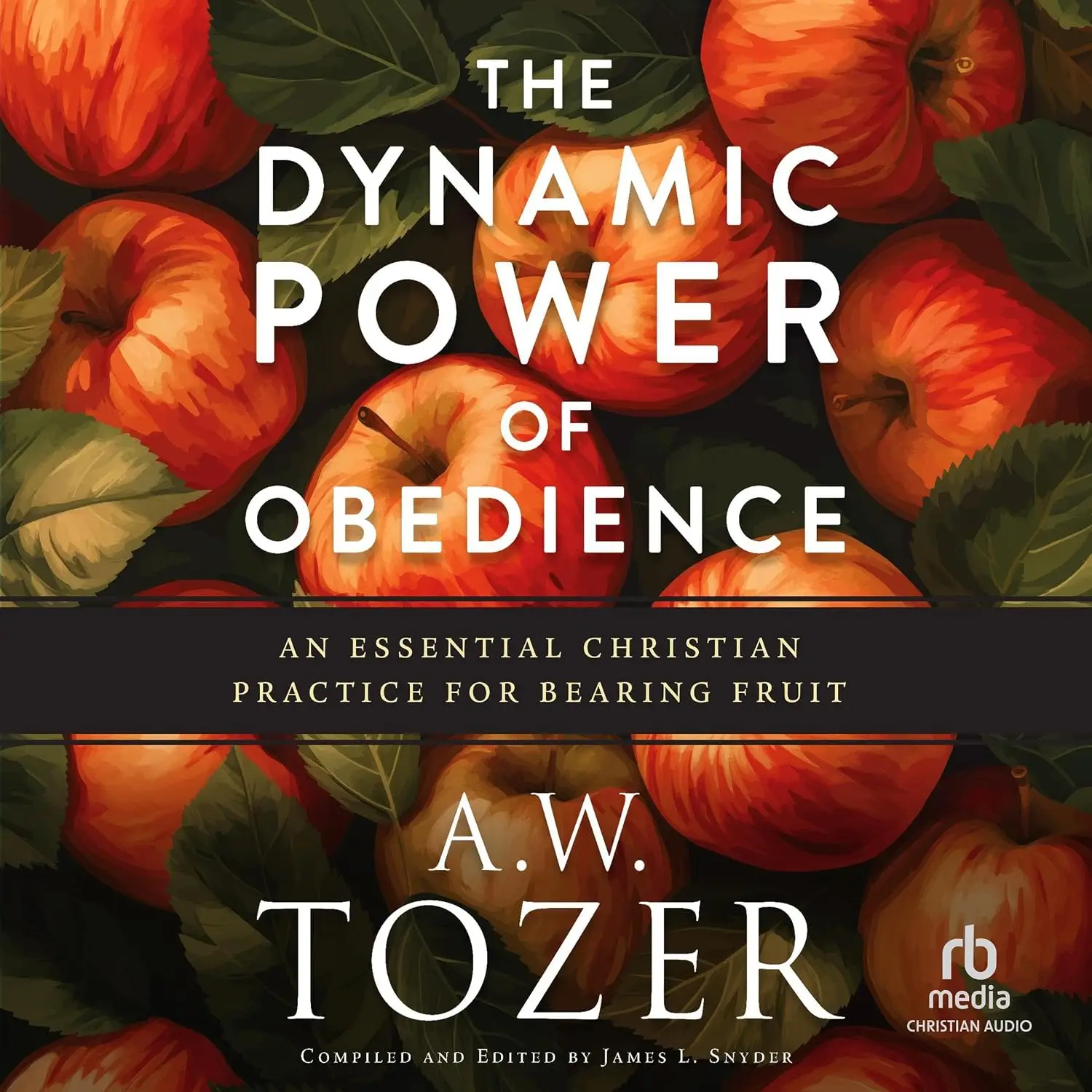 In this never-before-published compilation of teachings, A. W. Tozer turns to Bible passages and stories like Abraham and Isaac, unpacking them to reveal spiritual truths crucial to a lifetime of fruitfulness and power: unwavering obedience.
Long Obedience in the Same Direction: Discipleship in an Instant Society
 This world is no friend to grace. God has given us some resources, however. As we grow in character qualities like hope, patience, repentance and joy, we ill grow in our ability to persevere.
Thomas A. Tarrants
Thomas A. Tarrants is President Emeritus of the C.S. Lewis Institute. After serving twelve years as president and nine years as vice President, he retired from his position as Vice President for Ministry and Director, Washington Area Fellows Program, with CSLI in June 2019. He holds a Master's of Divinity Degree, as well as a Doctor of Ministry Degree in Christian Spirituality. Tom is an ordained minister in the Evangelical Church Alliance and a member of the Evangelical Theological Society. Tom is the author of Consumed by Hate, Redeemed by Love, published by Thomas Nelson Publishers and Following Jesus Christ. He spends his time writing, mentoring, consulting and traveling.
