Back to series
Subscribe
Listen or Download the Podcast
Episode 7: Christians are Bigots: Part 1, Racism and the American Church
Dr. Tom Tarrants is President Emeritus of the C.S. Lewis Institute and author of Consumed by Hate, Redeemed by Love: How a Violent Klansman Became a Champion of Racial Reconciliation. In this episode, Tom and I discuss the accusation that the American Protestant church promotes bigotry and racism, particularly white supremacy. In Part 1 of our discussion, Tom shares his gripping testimony of growing up in the Deep South amidst anti-communist and racist ideologies and coming to know God through his readings of classical philosophy and the Gospels in a maximum security prison. We discuss the difference between nominal and true faith, whether America is a Christian nation, the sinful perversion of the Bible to justify racism, and more.
Resources for Further Study:
- Christianity Today article by Dr. Tom Tarrants
- Consumed by Hate, Redeemed by Love: by Dr. Tom Tarrants
- Augustine's Confessions: and Cotton Mather's writings on ecclesiastical New England history mentioned by Dr. Tom Tarrants
Subscribe


 Our Newest Podcast
The Questioning Belief podcast explores objections to Christianity through in-depth discussions with experts. Drawing from her background as a former atheist and her experience in apologetics, Dr. Kathleen Milani invites you to explore thoughtful responses to serious questions about faith. Learn more.
 Connect with Kathleen
Explore written reflections from Dr. Kathleen Milani and get in touch with her through her Substack, The Reformed Gadfly.
Transcript
Kathleen Milani: Welcome to Kathleen Milani. I'm your host, Dr. Milani, former atheist turned Christian. Thank you so much for joining me as we interrogate Christianity to see if it can stand up to our toughest objections. On today's episode, Dr. Tom Tarrants and I tackle the following objection: that the American Protestant Church has both tolerated and perpetuated bigotry and racism, particularly white supremacy. So first, let me introduce our speaker. Dr. Tarrants is president emeritus of the CS Lewis Institute. He holds a Doctor of Ministry degree in Christian spirituality and is an ordained minister in the Evangelical Church Alliance. Dr. Tarrants spends his time writing, mentoring, consulting, and traveling. His life story is told in Consumed by Hate, Redeemed by Love: How a Violent Klansman Became a Champion of Racial Reconciliation. Tom, thank you so much for being here.
Thomas Tarrants: Thank you for inviting me, Kathleen.
Kathleen Milani: Yes, of course. So, before we get into our discussion, I wanted to define a few of the terms that I discussed in the objection. So, the first one is bigotry. That's a very morally tinged term. And so just looking up the definition in the Oxford dictionary, bigotry is an obstinate or unreasonable attachment to a belief, opinion, or faction, in particular prejudice against a person or people based on their membership in a particular group. So, racism, of course, refers to that group being defined by its racial or ethnic status. And then I'd also like to open with a quote from John Piper, just telling us what an important issue this is for us to talk about, even as Christians outside of an apologetics context. Piper says, “Racism is more than just a social issue. I want to say to all conservative white folks who fear the social gospel: it's not a social issue; it's a blood issue. By his own blood, Jesus ransomed people from every tribe, tongue, and nation. All of them. Christ died to draw us together, not apart.” So, Tom, before we get into a broader discussion of Christianity and racism in America, I think it's important for our listeners to understand your personal background and the general story behind the title of your book. So, would you share your testimony with us?
Thomas Tarrants: I was raised in the Deep South in a town called Mobile, Alabama, and I grew up in the 1950s and early 1960s in Mobile. Mobile was a very old, traditional city. It was founded in 1702, and it was ruled by and populated by a great large number of white people. And a smaller percentage of Black people were part of the population. And from the very beginning, things were segregated. And, you know, it covered every part of society. For example, you know, there was the Black part of town; there was the white part of town. There was no mixing. Black people could not live in white neighbourhoods. And everything in the society was that way. And people accepted it as the way life is. Now, that's not to say everybody enjoyed it. The Black people certainly had a less desirable situation than many of the white people, but that was kind of normal.
You grow up in that culture, and you don't know anything different. So that was my situation until I was a junior in high school and the public schools began to desegregate. This was when the Civil Rights Movement began to gather greater momentum. And it created a great deal of unrest throughout the South and other parts of the country too, but the South was probably the most intense reactionary area. And so, I went to start my year of school, like September, to find that the campus was surrounded by federalized National Guard troops. This was a very large high school—3,000 students. And that was a very tense situation. And there were people there that were really unhappy with it. And there were people distributing literature—racist, anti-Semitic literature—and I discovered some of that and began to read it, and that sort of took me down a direction that I would have never expected, and that was ultimately tragic. I read more and more of it, got more deeply indoctrinated—I think that would be the best word—and soon became convinced that there was a very serious problem. Well, I suppose I had, like most other white people in both Mobile and throughout the South, just assumed that Blacks were inferior to whites. And then this racist literature just reinforced that and gave what supposedly was evidence drawn from pseudoscience. To support the contentions.
Kathleen Milani: Yeah.
Thomas Tarrants: But it was all in the service of stirring up animosity toward people of other races. So, I swallowed all that. And so, this came—this whole thing, this upheaval related to the desegregation of the schools and other areas of society—came as something like pouring gas on a smouldering fire.
Kathleen Milani: Sure.
Thomas Tarrants: Try to paint the picture that way. So, I'm labouring here, because most people will be labouring experience of anything like this today. Or even people in their 50s or 60s, this would seem incomprehensible, but it was the norm, culture-wide in the South and in other parts of the country, but certainly not everywhere.
Kathleen Milani: You talked about the materials that you were given to read about desegregation—or, you know, racist pamphlets or whatnot—that you were reading when you were a high schooler that really convinced you and solidified that extremist ideology. What were they, and why were they so convincing?
Thomas Tarrants: Well, probably the first book that I haven't mentioned a very significant part of this, was the threat of communism back in the late 1950s, early 1960s.
Kathleen Milani: Okay.
Thomas Tarrants: It was on everybody's mind, and we were living in fear of a nuclear war.
Kathleen Milani: Sure.
Thomas Tarrants: And in America, the infiltration of our government by communist agents—a kind of widespread fear of that sort of thing. And so that was a significant element in my thinking early on.
Kathleen Milani: Okay.
Thomas Tarrants: What was called the Communist—well, in the literature I was reading, was described as the Communist-Jewish conspiracy. Because this whole thing is a conspiracy theory, and that I was into. And the conspiracy theory ran along the lines that, well, starting from the bottom, the immediate desegregation efforts were actually the work of communists inspiring the Civil Rights Movement and influencing its leaders.
Kathleen Milani: Interesting. Okay.
Thomas Tarrants: And the goal there would be to bring about the mixing of races where whites and Blacks married and had children. And of course, the theory, of course, being that whites were superior and Blacks were inferior, and if you mix the races, then what you were left with was something less intelligent and whatever than white people and therefore more easily dominated and controlled.
Kathleen Milani: Okay. Interesting.
Thomas Tarrants: You see, it sounds crazy, I know, but crazy things can get hold of your mind.
Kathleen Milani: Yes.
Thomas Tarrants: And so that was the idea. And then the Jews were behind this, kind of secretly pulling the strings.
Kathleen Milani: Okay.
Thomas Tarrants: And this conspiracy was larger, though, that Jews were behind all kinds of things. They were behind communism. That was part of the story. They were ultimately behind communism. And their agenda was to take over the world using the United Nations, you know, to further that, but always behind the scenes. And so, the actors in this drama were like international Jewish bankers, the Rothschilds, for example.
Kathleen Milani: Okay.
Thomas Tarrants: You could go on and on.
Kathleen Milani: Okay. So, this is ultimately, yeah, ultimately a political goal then—to obliterate the influence of communism in America and to do so through these, you know, social means on a state-by-state basis.
Thomas Tarrants: Right.
Kathleen Milani: Is that sort of a fair summary?
Thomas Tarrants: Yeah.
Kathleen Milani: Okay. And so, you mentioned some pseudoscientific literature as well. I assume that's related to the superiority, inferiority of different races—like that biological claim was passed around through pseudoscience.
Thomas Tarrants: There was a fair amount of literature or of sentiment in Europe that was strongly racist back prior to this time amongst some of the intellectual elites. Like Immanuel Kant, for example, or—I mean, there's a very surprising group of these people: David Hume, one of the highly esteemed philosophers of earlier times. And so that all fed into a kind of literature that was promoted by these folks more—but contemporaneous to us. What was—well, another thing that was influential, and this wasn't specifically on science, it was more general and political, but a book called The International Jew.
Kathleen Milani: So. Okay.
Thomas Tarrants: By no less than Henry Ford himself.
Kathleen Milani: Oh, really? I've never heard of that one.
Thomas Tarrants: Henry Ford was a very big anti-Semite, and he wrote a lot about it.
Kathleen Milani: Wow.
Thomas Tarrants: He had a newspaper there in Detroit that—I don't know, I guess it was Dearborn—where his views were expressed and disseminated. Lindbergh was another one that was very pro-Hitler. I mean, so there's a lot of pro-German sentiment around the time of the rise of Hitler and prior to going into World War II. But anyway, things like that were brought forward and, you know.
Kathleen Milani: Sure.
Thomas Tarrants: That you get somebody presenting you with a book by Henry Ford—Ford Motor Company, one of the biggest industrial organizations in the country.
Kathleen Milani: Yes.
Thomas Tarrants: You know, it seems to have—you want to convey credibility to a person like that. You know, this is a very impressive individual. They must know what they're talking about, you know. Take them seriously.
Kathleen Milani: Oh, yes. Yeah, it definitely shows the danger in just making arguments from authority too, because you have these authority figures—whether, you know, Henry Ford's authority in America, or these philosophers like Hume, Kant, who are, you know, academic philosophical authorities in their own right. And just because they're an authority figure doesn't mean that all their tenets are true, and we should be following all of that. So was the Bible ever pulled from as one of these resources, or were the resources only from secular philosophers and politicians?
Thomas Tarrants: Well, the Bible doesn't really offer a lot to advance this line of thinking, but that never stops. Facts never get in the way of what people want to say.
Kathleen Milani: Yes.
Thomas Tarrants: Well, don't let truth take you astray.
Kathleen Milani: It's a mere obstacle.
Thomas Tarrants: Verses were taken out of context. For example—this is ridiculous—but there's a verse in the book of Revelation where in the early chapters, I think it's chapter 2, it's either chapter 2 or 3, where there's the phrase: some people in the congregation are described as a synagogue of Satan. Well, that was cherry-picked to use against Jews.
Kathleen Milani: Sure.
Thomas Tarrants: For the racial purity thing, in the Old Testament, some of the—in the Pentateuch, the first five books, particularly in Leviticus—there are these purity laws and various rituals. And at one point the instruction is: don't mix wool with linen or something like that.
Kathleen Milani: Okay.
Thomas Tarrants: And then there are other ones. And I can't just recall them, but oh—things that have no bearing whatsoever on racial issues that would be cherry-picked and promoted justifying the idea of racial purity and keeping people separate.
Kathleen Milani: Yes.
Thomas Tarrants: That, you know. So, it was a very, very flimsy thing. Oh, another one that's common—even today some people talk about the curse of Ham. Now we're not talking about what we'll have on Thanksgiving along with the turkey. But one of the sons—it’s funny, but the sons of Ham were cursed, and the curse was that they were turned Black. And so those are the Black people. They are the sons of Ham. And they are to be servants, and they're to be an underclass, and a curse is on them. So that doesn't take much. I mean, that can justify the whole racist agenda in a country. And I got a lot of mileage, I think. But anyway.
Kathleen Milani: It reminds me very much of the Slave Bible. And for those who haven't been to Washington, D.C., it's in the Museum of the Bible. It was published in, I believe, 1807 or 1808, and they removed parts of Scripture. They removed the Exodus story, for example, because they thought that it would encourage rebellious thinking. And so that was the Bible that the slaves were allowed to read from so that they would stay subdued.
Thomas Tarrants: But anyway.
Kathleen Milani: And it was not obviously representative of the entire Bible. So that sort of reminds me of that—this cherry-picking. And in your case, it was cherry-picking specific verses and pulling them out of context. But there's also some manipulative power as well in excluding certain verses or de-emphasizing, you know, “there's neither Jew nor Greek, slave nor free, nor male and female; you're all one in Christ Jesus”—things like that. I imagine these folks were not particularly focused on taking those verses to heart. And so, while we're about what the Bible says about racism, I hear this a lot: that the selection of the Israelites as God's chosen people was a racist phenomenon and that God was racist when he chose the Israelites. Is that true? And can you explain that selection to us?
Thomas Tarrants: Well, that's a good—I think a good example of not really understanding the Bible. God chose Abraham and his descendants for a particular purpose and mission to the whole world. And if you read the text, you will see that it's not about simply taking the Jews, the Hebrews, and loving them more than everybody else and justifying anything they wanted to do, you know, no matter how bad. No, it's—you'll see it in the text repeatedly that they are to be a light to the world of God and his ways. The story also clearly shows how they repeatedly failed at that, how they were seduced by the idols of the surrounding culture—the worship of Baal, for example, and the Canaanite fertility cults. And that brought God's judgment against them—very, very strong judgment against the northern tribes in 722 B.C., and then Judah and Benjamin in 586. These deportations—mass deportations. Terrible things happened. God judged them because they continued to refuse his many, many entreaties to turn from their sins, their idolatry. And these idolatries—worst Baal worship and things like that—you say, oh, well, what's the harm? People, you know, they make these little statues and other statues, and what's the harm of that? Well, here's the harm. They practiced human sacrifice. They threw their children into the fire as an offering to Molech or to Baal or to whomsoever. One example: they had temple prostitution. That was a very common kind of thing. All kinds of unbelievable moral outrages, which even non-Christians would find horrible.
It was a very, very evil kind of thing. And that's what the Israelites got seduced by again and again. So, God is a righteous and holy God, morally pure. And he cannot tolerate this kind of conduct. And so, he's merciful though, and he's gracious, and he sent prophets again. And they refused to listen and often killed the prophets because they were telling them what they didn't want to hear. And on and on it goes. So anyway, that's kind of a lot of elaboration. The point here is if you read the Bible, if you read the Old Testament, you will see that God's intention for the Israelites was to be a light to the world. And you could cite a few passages. You see this breaking through in the book of Jonah, probably one of the better-known stories of Jonah going to deliver this message to the Assyrians that God was going to judge them. And Jonah was a strong Jew, and he had in the back of his mind. God's the kind of God that just might forgive these people if they repented. And that is the worst thought I can imagine. So, I'm going to go the opposite direction of this area. And, you know, he got in the boat and then went away to escape this calling. Well, anyway. The Assyrians were the most brutal—and so some things die a long, slow death. If you look at Syria now, some of the things they do really are very, very evil. But they would—they were just known as the most vicious, cruel people in that part of the world.
They would do things like skinny people alive. That's just one of their practices. They were so incredibly cruel and vicious. And so, you can understand why Jonah wasn't a fan of the Assyrians and would not want them to repent. But he finally got God's message. God had to turn up the volume a little bit for him. And he finally got it. And I think he went reluctantly. But God used the message. And astonishingly. The Assyrians repented. Repented even up to the king, you know, and were sorry for their sins and, you know, were fasting and praying, and God withheld the judgment that he had promised. It brings out that kind of thing that you see through the Bible and the Old Testament about God's love for everybody and his designated representatives who were supposed to be his witnesses and failed repeatedly. Don't take away from the fact that they weren't some special groups that could get away with anything they wanted to do, you know, and that God didn't care about anybody else.
Kathleen Milani: Who.
Thomas Tarrants: And so, we find when we get to Jesus—Jesus sends in the Great Commission. While he's on earth, he said, “Don't go to the Gentiles; focus on the Jews, the house of Israel.” But then after his resurrection, he commissions his disciples to go and make disciples of all nations. That word nation we translate “nations” is panta ta ethne. It's all ethnic groups, all groups and kinds of people worldwide. That was God's earlier and original idea that the Jews failed—except with maybe occasional moments of success—failed to achieve. And Jesus now through the church is sending it out. But what are we finding in the church? There are times when it was more successful and people were more faithful, but you do find that culture corrupts people in the church, even believers.
Kathleen Milani: Yes.
Thomas Tarrants: And they get influenced more by this kind of ethnocentric, racist kind of thinking that they absorb and assimilate from the culture. It simply illustrates a failure of people to do what God wants them to do, and they need to repent.
Kathleen Milani: Amen. Yes, I think you made so many good points there. You know, for the Israelites as God's chosen people, they weren't these special people who got coddled by God and could get away with any sin they wanted and got special treatment in that sense. God was still a perfectly just God. God still placed demands on them. And like you said, God did punish them. And he did show consequences for their actions when they strayed. So being God's chosen people did not mean by any means that the Israelites were coddled or treated unfairly. It also didn't mean that an individual Israelite was somehow imbued with some greater human dignity as compared to an individual from another nation, or the individuals from other nations could not also pledge fealty to Yahweh and follow certain practices and join the nation of Israel. So, I think you said that perfectly—that, you know, it's really a misunderstanding about the Bible that people would have that misconception.
Thomas Tarrants: So, I got involved with this and with people who shared these views and were very strong and committed to them and began to be influenced increasingly. So, I had gone through—I didn't have the language or the categories to sort this out or to identify it at the time, but essentially what happened is that I had a change in my worldview because I adopted an ideology that was very different from what I had grown up with. And some elements of the old, but this new was a kind of transformational component. And so, I became very committed to it. And one thing led to another. And over time, I got more and more radicalized. And to jump forward. It all came to a crashing halt in Meridian, Mississippi. I had moved from Mobile, Alabama, over to Mississippi because that was ground zero for the Civil Rights Movement at that point in the 1960s. And there was a kind of—well. An insurgency—that may be a little too strong, I don't know—but an uprising for sure in Mississippi on the part of white people, many white people. And there was one organization that emerged called the White Knights of the Ku Klux Klan, which the FBI described as the most violent right-wing terrorist organization in the United States at that point. It was essentially a—well, it's a terrorist organization, kind of guerrilla warfare tactics and things like that. They were responsible for a number of acts of violence in Mississippi and murders of civil rights workers, leaders, and whatnot. I got involved after that phase. And as a lot of the leaders were arrested and put on trial and whatnot. So, things were in decline, but not completely extinguished, I guess you'd say. The efforts were not totally put out of action. And I went with another person. A young schoolteacher from Jackson, Mississippi—we went to bomb the home of a Jewish businessman in Meridian who had been a vocal opponent of the Klan and a critic of the Klan's activities there in that area and more broadly. What we didn't know was that the FBI had penetrated our little cell group and knew the plans and had been working with the local police. And there was a SWAT team of 12 men, dressed in black and heavily armed and hiding behind bushes and trees and whatnot.
Kathleen Milani: Oh, wow.
Thomas Tarrants: So, when we got there to the house—this was one o'clock in the morning, I think, thereabouts—and I got out of the car. We stopped right in front of the house, got out of the car, was taking this bomb to put on the carport—30 sticks of dynamite with a timing device.
Kathleen Milani: Oh my.
Thomas Tarrants: And halfway up the driveway, shots rang out, and I was stunned. I wasn't expecting anything like that. And I dropped the bomb, and miraculously it didn't explode. I ran back to the car—bullets were flying everywhere. I got to the front of the car; I was hit with a load of double-aught buckshot in my upper right leg, kind of staggered and stumbled to the door. And with the person Kathy Ainsworth, I tried to help. Helped me get in the car, and I was able to start the car and speed away in a hail of gunfire. And a police cruiser got right on the bumper and firing away. Kathy and all of that was hit with a round of rifle fire and died right next to me on the seat as I was speeding along trying to get away from the police car. They were just blasting away. The guy on the passenger side was just, you know, driving at high speed and shooting at the same time. And so that went on for about 10 blocks in a suburban neighbourhood. And finally, going around the corner, I crashed into a curb, and they piled into the rear of my car. I got out of the car and opened fire with a submachine gun. And one of the officers was hit three times in the chest, once in the heart.
The other officer saw what was about to happen, and he ducked. And so, he didn't get hit. But when my clip emptied, he popped up and opened fire, and I was shot again. Still able to go, though I was gushing blood everywhere, but I staggered off about into the backyard of a house there at that intersection and collapsed. And meanwhile, ambulances were coming and whatnot, and they were able to get this officer who had a bullet in his heart to get his heart beating again and that's another miracle. He lived and actually got out of the hospital before I did.
Kathleen Milani: Amazing.
Thomas Tarrants: He had to go for open-heart surgery.
Kathleen Milani: Oh, sure.
Thomas Tarrants: They flew him to Atlanta for special open-heart surgery there, but God spared his life.
Kathleen Milani: Amen.
Thomas Tarrants: But there I was, collapsed in that backyard, and police, FBI, state troopers all overlooking for me and shining lights around. And this group of four local police officers—they saw me there, and they came up very carefully and got right over me and turned off their lights and started shooting with their shotguns. And I was hit twice from about three, four feet away. But when they turned the lights on again, I was still breathing. And like at precisely that moment, an ambulance driver ran up because he'd heard the shooting. And so, one had already pulled out his pistol to finish the job and couldn't do it.
Kathleen Milani: Wow.
Thomas Tarrants: So, I was spared and taken to the hospital. And they said if I lived 30 minutes, it would be a miracle.
Kathleen Milani: Oh, my goodness.
Thomas Tarrants: But here I am almost 80. I was 24 then. So, you can judge whether it was a miracle or not.
Kathleen Milani: No.
Thomas Tarrants: But God spared my life. I certainly did not deserve it. I deserved to die and to go to hell and pay for my sins and my crimes. But God had other plans. And I was in the hospital for weeks recovering well enough to be taken to jail, spent several months in jail awaiting trial, was found guilty and so sentenced to 30 years in the Mississippi State Penitentiary, which was one of the worst in America at that point. And I went there with one intention, and that was to escape as soon as I could and go back to what I'd been doing because I was committed—totally committed to this cause, this ideology. And we described ourselves as fighting and understood ourselves as fighting for God and country and to preserve white Christian civilization.
Kathleen Milani: Yes.
Thomas Tarrants: And we were very much fighting against the federal government's intrusion on states' rights by forcing desegregation on people who didn't want it. So, it was kind of, you know, a war mentality in a certain sense. It took about six months. Reconnected with some people that I'd been involved with before in the Klan group and worked out an escape plan and recruited two other guys in the prison. And we pulled off a successful escape. But two days later, the FBI found us. We were, you know. Heavily wooded area a couple hundred miles away. And there was a farm road that went by where we were—an old dirt road—and we'd set up a camp far back into the woods. And so, we took turns watching the road to see what the traffic was like. And I'd been standing watch, and one of the other inmates came to relieve me half an hour early. So I went back to our camp, and within five minutes or so, I heard this incredible unleashing of guns. Gunfire up there right where I'd been. And what was going on was that the FBI had their SWAT team, and they knew where we were, and they were closing in quietly through the woods to take advantage of the element of surprise. And they saw him first.
Kathleen Milani: Oh gosh.
Thomas Tarrants: Right where I had been five minutes before—and should have still been. And we were heavily armed with automatic weapons and hand grenades and all that sort of stuff. And they weren't taking chances. I don't know exactly the details of what happened up there, but I do know he was killed instantly. And that should have been me, but God spared my life again. I absolutely did not deserve it. This is what the Bible describes as grace, where a good way to think about grace is particularly related to God: when you deserve something bad, but God gives you something good.
Kathleen Milani: Yes, exactly.
Thomas Tarrants: Totally undeserved, unwarranted kindness, mercy. And that was my case back in the beginning, the original shootout. It was my case again here. God spared my life. And I did not deserve it. But they let me surrender. And I was taken back to prison and put in a little six-by-nine cell. And couldn’t figure out any way to escape from there. So, I began to spend my time reading. But I was in that cell all the time, except for about 30 minutes, twice a week, to take a shower, get out and take a shower. But that’s where I was all the time. Food was delivered through a slot in the door, had a toilet and a face bowl, so there was no requirement for me to get out of that cell or anything except taking a periodic shower.
Kathleen Milani: But I don't know.
Thomas Tarrants: So, I read and read and read to try to keep from going crazier than I already was. Started off reading the racist, anti-Semitic books that I had not read before. And I think I may have started with The Rise and Fall of the Third Reich, which is just history. But soon got into Mein Kampf, Hitler's famous book. And a few other similar kinds of things. So, I was just digging the hole deeper. But then I came to a point where I had an interest in philosophy. And so, I thought, well, I'll read the works of Plato and Aristotle and Marcus Aurelius, the great Stoic philosopher. And so, I read through all their works. And a couple of things out of that—lots of things are coming on, but a couple of things made a very significant impact on me. I suppose the most impactful was the idea that truth had an objective existence.
There is such a thing as truth, and that we should seek to discover it. It's there to be discovered if we look after it. And then old Socrates—his observation that the unexamined life is not worth living. And those two things, I think, had a particularly powerful effect on me. And it set me out on this search for truth—a kind of disinterested search for truth. And so, I had no thought whatsoever that this would in any way take me away from what I had been believing. Changed my ideology. But in fact, it did. And as I continued the search and reading, oh, got into reading some good political philosophy. And one philosopher that I read just amazingly in a few short pages destroyed the ideology that I had. I mean, the racism and the anti-Semitism—he just, like a skilful surgeon with a scalpel, he just cut it apart very clear, just as clear and direct and convincingly.
Kathleen Milani: I also want to go back to something else that you were talking about with regards to nations in a different way. So, when you were fighting for God and country, I think a lot of people today, at least in America and American Protestantism. Are really married to the idea that America is a Christian nation. And there are a lot of people who are really terrified of the connection between religion and America—specifically Christianity and American politics. So when might that be appropriate? Is it ever appropriate to connect the two? And how did that become dangerous in your case and your experience?
Thomas Tarrants: Well, there would never have entered my mind ideas like some of those that have emerged more recently, but it was unthinkable. I mean, America was a Christian nation. Period. Anybody knows that. Yeah. How could anybody question that? You know. But in fact, there was no questioning of it back in the years I was involved in all this in the 1960s, for example. That has come more recently. And so, America was seen as kind of this, you know, the city set on a hill and that sort of thing—the hope of the world. America was exceptional among the nations and had a great manifest destiny. And so that was just taken for granted. I mean, nobody questioned any of those ideas. However, as—who was it that said facts are a stubborn thing? I can't remember his name. But that whole idea about America being a Christian nation—you must look at that and investigate. What does that mean, first? And what are the facts that support the contention? And it's certainly true—it's certainly true that in the founding of this country, in the earliest times, the people who came over here, the majority of them—in the very first instance, the people that came to Jamestown, for example—were all Anglicans. Now, how many of them were true Christians is another story. Because in all these denominations, you have people who are true Christians and then others who are nominal Christians—name only, really.
Kathleen Milani: Yes.
Thomas Tarrants: And there were some true Christians in that Jamestown bunch. On the Mayflower, again, you had real Christians, but then you had some other people who were not. Well, does that make America a Christian nation? Well, I don't think so. I mean, it certainly is the fact that the first people coming over, the original settlers—many of them were Christians. And you have a strong influence of Anglicanism in Virginia and Congregationalism up in New England as things grew. Does that mean America was a Christian nation? No, it means that there were at that point a lot of Christians in America. But things changed. And there was a famous New England clergyman by the name of Cotton Mather. He was one of the most influential clergymen in the New England colonies. His father was Increase Mather, president of Harvard College at that time, which was then a Christian educational institution founded.
Kathleen Milani: Yes.
Thomas Tarrants: With the purpose of grounding men in the gospel and truly knowing Jesus Christ. If you look at the original founding statement—Harvard University, that's—Harvard College at that point. That is why they started Harvard. So Cotton Mather was a brilliant man. And at the end of the 1600s, he wrote a book. It was a history called Magnalia Christi Americana—the Latin term for it, the great works of God in America. And he looked back from the founding to 1700. And he had this comment about the state of the colonies at. His writing of this book: he said, “Piety begets prosperity. And the daughter consumed the mother.” Piety begat prosperity, and the daughter consumed the mother. These people came over originally wanting to—the very first wanting to escape the conditions in England, from the Church of England, Anglicanism—they wanted freedom of religion.
But what happened? Very soon, people in England and Europe heard about this wonderful land with all of these great natural resources, opportunities. And so in come these people who—some of them, no doubt, true Christians, others nominal Christians, whatnot. But what happened? Commerce and enterprise began to be a major driving force—people beginning to take advantage of all the opportunities that were there to create wealth. And so, the piety originally—yes—but then prosperity began to corrupt. And this is a—you can find this throughout history. I mean, in the time up when Israel fell in the eighth century. It was the time of their greatest prosperity and power, the greatest affluence. Everything was great. And John Wesley commented on the same thing. Now, this would have been the late 1700s where Wesley talked about the Methodists. They started off a great devotion to God.
A lot of these people didn't have much education, but they were really committed to the Lord and were growing and all the rest. And he's got a famous quote about this—how they started that way. And then they became more—as they became Christians, they became more responsible. They became more disciplined, and it showed up in their work. And they began to. got better jobs, and they began to prosper. And he unfolds it very nicely. Wesley's very articulate. And he wasn't just some country preacher. Wesley had a degree from Oxford and was a professor of logic at Lincoln College. And you see that in his writings—very clear and logical. But he unfolds how that over time, prosperity corrupted the spiritual lives of the Methodists. And he was quite discouraged by that toward the end of his life. So, this is a known issue. And if you look back on the history of revivals. So, I mean, you have this kind of dynamic going on in America. Can you say America was a Christian nation? Well, you can accurately say that many Christians were involved in the early days. Do you want to look at the founding? I mean, now we're talking about British America up until 1776.
Kathleen Milani: Sure.
Thomas Tarrants: This country was known as British America.
Kathleen Milani: Sure.
Thomas Tarrants: It's not the United States of America. But the Constitution and the Constitutional Convention, the founders—there were some clear Christians amongst those folks. The facts demonstrate there were also many deists because deism had become much more influential.
Kathleen Milani: Yes.
Thomas Tarrants: It was a problem in the New England colonies. Jonathan Edwards had to deal with it back in 1730 stuff coming out of England. Thinking of David Hume and others like that—kind of—but Enlightenment, you know. And that even back then, you know, you were having the emergence of what would be Unitarianism. So that kind of stuff was at work. And when you had the Constitutional Convention, the people there were. It's not a bunch of Christians that got together. It's a mixture of some Christians and some deists. Oh, now, there is a plus to that because at that point in deism, I mean, people still—many people still believed—they kind of had a, they saw this God, creator God, largely in terms of the biblical God. Not like might be the case later, but certainly not today. But that enabled these people, and they had a moral framework that went around that too—of ethics that were consistent with Christian values. So, these two—like true Christian belief and practice—was not so totally separated from the way that deists thought in those days that the two couldn't kind of develop something together that would be acceptable to both. And that's what has come out of—I mean, that's what they produced: the Constitution, you know. These people who produced this were saturated in Greco-Roman history. And, you know, the Constitution is not like a pure Christian document. I mean, it's influenced by Enlightenment thinking. So to say that this was a country that, you know, it was founded by Christians, for Christians, and all the rest is going beyond the facts. But now, people don't want to be bothered by facts. They want to believe. They want to believe what they want to believe.
Kathleen Milani: Yeah.
Thomas Tarrants: And they won't believe—that's not true of everybody, but it's true of some people. They just dismiss out of hand.
Kathleen Milani: Yes.
Thomas Tarrants: Things that disagree with what they have already decided are true.
Kathleen Milani: Who.
Thomas Tarrants: So, they are immune to facts.
Kathleen Milani: Yes, there's a lot of confirmation bias. And people are more willing to believe something as well that supports their perspective. And with social media, I'm sure that's just amplifying the echo of people's beliefs—similar beliefs surrounding them online. And so, you know, it does create this dangerous environment.
Thomas Tarrants: So, I was liberated from those beliefs. My mind—my mind had been hijacked by ideology, which is something that is easy to happen under the right circumstances, even with very smart people. Now, I don't consider myself a very smart person. I'm kind of average; I guess. But I mean, if you think for just a moment, the Germans were some of the most brilliant people in the world in the 1920s, 1930s. Well, still very, very smart people in philosophy and ethics and mathematics and physics and culture, you know—poetry, all these various areas that contribute to the fabric of culture. Germans were really at the top, you know. And yet many of the people in the Nazi Party had master's degrees and doctorates. This wasn't a case in Germany of hooligans from the streets who had no education and no intelligence somehow getting in high positions. And that's not unique to Germany in the 1930s. Very smart people can be hijacked—their minds can be hijacked with ideology. So anyway, my mind had been liberated from believing lies—essentially what it comes down to: believing lies. That's why truth is so important—to be oriented to facts and reality and not to our prior commitments to. Whatever, that shapes and moulds us in so many ways in our thinking. In our own prejudices—we all have this sort of stuff. It's not like, oh, these white racists—they're just a bunch of prejudiced people. We all have—we all have areas of prejudice. I mean, it's part of the human condition. And to think that somehow there are people who sit above all of that and aren't affected by it.
Kathleen Milani: No
Thomas Tarrants: It's really an unfortunate self-deception.
Kathleen Milani: No.
Thomas Tarrants: But anyway, I was set free from that. And I continued with my search because that didn't completely satisfy. There was something missing, something missing. And I kept reading, and I found within me this desire to read the Gospels. Now, I had been raised in a church that preached the Bible, and there was a lot of knowledge that I had been exposed to, although it never penetrated my life, my mind. I mean, I had the information. Up here, but it never was internalized in a way that really took hold in my heart and impacted my life, my daily life. And so, as I was reading in the Bible, my eyes began to be opened in ways I had not known before. It's like I often say: being in a totally dark room and someone raising the lights, you know, just bringing the lights up bit by bit. It wasn't suddenly, a big flash.
Kathleen Milani: Sure.
Thomas Tarrants: It was a kind of gradual opening of my eyes to see the meaning of the words I was reading and how they applied to me personally. And I came to a point where well, one passage that really—a verse that really hit me very hard. It's like a laser-guided bomb.
Kathleen Milani: Sure.
Thomas Tarrants: It was: “What does it profit a man to gain the whole world and lose his own soul?” And I knew instantly that that was me. That's what I have been doing. I had been selling my soul to my idol. It's what was an idol, so to speak. People do this in different ways. You can do it—or careerism is one way, you know. You can—your idol can be your profession, or it can be any number of other things. It can be good things. Mine was evil, but it dominated my life. It was the compelling interest and the thing for which I would sacrifice everything. And I began to see that this notion that I was fighting for God and country, that I was among the good guys who were few but saw the terrible plight of America and were fighting to save America—that I was self-deceived. And I was—even though I had been baptized as a kid and had made a profession of faith. Thought I was a Christian—that I had never experienced what Jesus describes in John's Gospel, chapter 3, of being born from above, born through the Holy Spirit, yeah—bringing new life and opening the understanding and changing the desires.
Kathleen Milani: And.
Thomas Tarrants: And that became clear to me—that I was never a true Christian. I thought I was. I would have fought vigorously against anybody that suggested otherwise. But I was completely blind. The Bible describes it well. Jesus said, “What's born of the flesh is flesh. And what's born of the Spirit is spirit. And you must be born of the Spirit,” Jesus said. And Paul talks about it. About Ephesians chapter 2—he talks about how people are, including himself, dead in trespasses and sins, blind and dead spiritually. That was me. That was me. And God brought me to see—as the lights came clearer and clearer, I began to see my sin. And you'd think, well, you are really a slow learner. I mean, look at what you've been doing. You didn't think that was sin? No, not at all. I thought I was, like I said, fighting for God and country. It was a war, you know? And the end justified the meaning. That was a cardinal principle—that what we were fighting for was so important that. The end justified any means necessary to achieve it. It's a dangerous way of thinking.
Kathleen Milani: Very dangerous.
Thomas Tarrants: And especially, especially when you bring religion into it, because then it becomes a holy cause.
Kathleen Milani: Her.
Thomas Tarrants: And that's the way it was for me and the other people I was involved with—who every one of them would be like me—would have said that they were Christians fighting for God and country.
Kathleen Milani: I was going to ask you before—when you talked about the ideology that you were entranced by—and entranced by is the right word—or absorbed into this extremist non-Christian ideology. But then you also seem like you grew up in church or attended church with your parents or at least grew up in a nominally Christian environment. So why wasn't the Christian ideology a powerful contender with this other extremist non-Christian ideology? Is there something about the church that just was not appealing? Was it a fault of the church? Was it just in your own heart that you didn't feel drawn to Christian ideology? And why was the extremist ideology so much more compelling to you than the Christian one?
Thomas Tarrants: Well, the language there—we need to look at first—that you are talking about non-Christian ideology. Yeah, it was deeply non-Christian, even anti-Christian, but presented as and believed to be Christian.
Kathleen Milani: Yes, presented as—you know, yes.
Thomas Tarrants: So, it was counterfeit Christian.
Kathleen Milani: Yes
Thomas Tarrants: It wasn't like, you know, some ideology from somewhere else that was actively and obviously anti-Christian.
Kathleen Milani: Yes, it was like a gold-plated Christian—pseudo-Christian ideology.
Thomas Tarrants: It was pseudo.
Kathleen Milani: Yep.
Thomas Tarrants: Christian, right? So why did—being in a—I was in a church. I was in a Southern Baptist church, a very large one—a megachurch before they had the terminology. And the Bible was preached, and Sunday school was—everybody went to Sunday school and that sort of thing. So, I was exposed to a lot of Bible teaching. But for me, it didn't penetrate. I was dead in trespasses and sins, and it rolled off me like water off a duck. And I'm sure that's true with others too. But I'm equally sure that there were those there who really received the truth and it transformed their lives and made the same kind of profession of faith I did, but it was genuine. So, it's this mixture that you find. And it's not as neat and tidy as one might wish the way the world works. So, I wouldn't say it was a bad church. And I don't recall anything ever being taught that was racist. In fact, the church at one point was said some Black people were going to come and visit the church. I was furious and called and complained and all the rest. But the church was open to that. Apparently, the pastor was not opposed to it. But it does come down. Now, there are churches where they preach this kind of racist stuff. And I think a well-known example is the Westboro Baptist Church, I think it is.
Kathleen Milani: Oh yes.
Thomas Tarrants: That would not—Southern Baptists would be horrified. I wouldn't accept that as legitimate.
Kathleen Milani: And I think it's important to bring that example up because that played a role in my resistance to Christianity. So for those who don't know, I converted into adulthood. And the Westboro Baptist Church picketed my high school. They hated the fact that it was a secular school. We were assigned some technology school. I don't know what exactly they hated about us other than the fact that we were secular, but they hated us. And they had picketed a few funerals in the area that I was living as well. Just very, very hateful messages. And if you look at interviews with the founder or his wife, they say, “Well, haven't you read the Bible?” And they'll pull out these nasty-sounding Old Testament verses out of context. And for somebody like me, who's okay—it says the Westboro Baptist Church; they say that they are true to the Bible.
How is that different than Christianity? So I think it's important for people—non-believers who are listening to recognize that, you know, there are different types of churches, and there are some that are Bible-believing churches, and there are some that are not. And so what are some litmus tests for somebody who's looking for a church or even somebody just who's looking at their own heart to say, you know, is this a Bible-believing church? Is this—am I a true Christian? Am I a Bible-believing Christian? What are some litmus tests for somebody to use for a church or for themselves? So that they don't fall into these sinful traps of being seduced by some ideology that sounds like it's compatible with what the Bible is teaching.
Thomas Tarrants: Very good question and very important question today. There are many ways to go wrong, one way to go right. And that is to seek the true and living God. And so, I think my experience is—and in some ways a good place to start—do you really ask yourself: do you really believe that there is such a thing as truth?
Kathleen Milani: Yeah.
Thomas Tarrants: And if so, would you like to know it and discover it? And I guess a prior question is: do you believe that there is a God? And if so, would you want to know him? But these are good questions to ask oneself. And if you're an atheist and you're listening to this and it just doesn't really make a lot of sense, but you think, well, maybe—not likely, but maybe—you can always pray the atheist prayer. What's the atheist prayer? “Oh God, if there is a God, save my soul if I have a soul.”
Kathleen Milani: I've never heard that before.
Thomas Tarrants: Wait.
Kathleen Milani: I love that.
Thomas Tarrants: But you know, I've heard people give testimonies like this that are just praying—and generally in difficult circumstances— “God, if you exist. I want to know you.
Kathleen Milani: Yes.
Thomas Tarrants: Show—show me somehow.” You know, something that simple. God will respond to because God loves us, and he knows the darkness of human hearts and the blindness and how much of a mess we can make of our lives. So, you know, belief that God exists—or at least seeking. To ask him if he does exist to make himself known somehow with the real desire and intent to follow through, as opposed to just a kind of exploratory conversation. And then seeking truth, seeking truth, and then going somewhere to a church where they teach and preach truth and live truth. The two must go together. It's very disillusioning to hear the teaching of the truth and not seeing the living of the truth. So, you know, that—and in the Bible, Old Testament, New Testament—you only know. What are you doing. Knowing and doing go together. In our culture, they don't. Yeah, can—we're much more Greek in our orientation toward knowledge. And you know, it's compiling information in our heads that doesn't necessarily have to manifest itself in our ethics, in our moral lives but biblically, it's a very different story, and that's part of the cultural distortion that we live in this one way of looking at life.
Kathleen Milani: Yeah.
Thomas Tarrants: But biblically, you only know what you do. So, it doesn't matter how well somebody knows the Bible. I mean, there are people that know the Bible far better than you would know it, or I know it who are teaching theology in German universities who publicly acknowledge that they're atheists.
Kathleen Milani: Yeah.
Thomas Tarrants: And this is not recent. This has gone on for a long time. And not just German universities, although they are famous for it. So, do the people—does the pastor evidence a real knowledge and relationship with God, which you see in terms of: do they love God and do they love other people? You know, to love Jesus Christ first and foremost. Is that manifested in their daily lives? Some measure. Now, you know, none of us are going to be 100% perfect in everything in all respects. But there should be a growing change in transformation in the lives of people who are genuine believers. And so you want a church where people—where truth, the truth of Scripture and Jesus Christ, are lifted and honored and clearly taught, and where people are taking that seriously in their daily lives—like loving one another and being. Well, manifesting the fruit of the Holy Spirit: love, joy, peace, patience, kindness, goodness, faithfulness, gentleness, self-control. And do they have any concern for their neighbor? Jesus said, “Love God wholeheartedly, but—and love your neighbor as yourself—as you love yourself.”
Kathleen Milani: Thank you.
Thomas Tarrants: And so, do the people in the church have an interest in folks outside the church that are in need in some kind of way? There are all kinds of opportunities to meet different needs, to help people—people that are lost, people that are heathens, total heathens—to reach out to them with the gospel and not think, “Oh, I don't want to touch that person because I'll be contaminated.
Kathleen Milani: Oh.
Thomas Tarrants: I don't want to be seen with that person.” Just yesterday I was having lunch with a friend, and he was telling me about a group of prominent businessmen in a large city that are believers—Catholics and Protestants meeting together without denominational kind of.
Kathleen Milani: That's fantastic.
Thomas Tarrants: Stuff getting in the picture—to pray and read the Bible. And when they're finished with their meetings, they go and look on Craigslist for advertisements for, um, what do you call it—escort services. Well, these are prostitutes.
Kathleen Milani: Yes.
Thomas Tarrants: They call these people and try to talk with them about the gospel and.
Kathleen Milani: Wow.
Thomas Tarrants: Offer them opportunities to come to Bible studies and stuff like that.
Kathleen Milani: Oh, my goodness.
Thomas Tarrants: There are all kinds of ways you can reach out to the lost with the love of God. And so, does the church do that? It was involved in Habitat for Humanity or yeah—doing things that demonstrate not just in word but indeed love for sinners. Love for needy people—not judgment and condemnation. That doesn't mean you're soft on sin. I mean, the job of a sinner is to sin. Are you going to criticize him for being a sinner? You want to bring grace to him where he can repent of his sin, but he's never going to do it if you're judging and criticizing and holier-than-thou, and “I can't touch somebody like you. Don't want to be seen with the likes of you.” You know, we're called to go out. And get amid the mess of the world as an expression of loving our neighbor. And loving our neighbor isn't about warm, fuzzy feelings. It's about doing good. Jesus put it so succinctly in Matthew 7, where he said in verse 12, I think it is.
Kathleen Milani: No.
Thomas Tarrants: “Do to others what you would like them to do to you.” In other words, treat a person in need in the same way you would like to be treated if you were in their shoes. It's very simple. It's not about mushy feelings. It's about action. Now feelings have a part, but it's about action—about seeking the good of other people, of your neighbour. And your neighbour is anybody that's in your path. And anybody, you know—it's not like just the next-door neighbor. Fine, that's good, but it can be anybody. The Good Samaritan shows us that. It can be people you don't like, people you don't want to be around—or and anybody that God allows your path to cross with. So those are just some basic things: being committed to a church, being committed to God, to truth, to preaching and teaching the Scripture, and where people are taking this seriously. They are not just showing up on Sunday morning, singing three songs, putting a dollar on the collection plate, and then filing out. That's not going to be your best place to go. You may hear something changes your life there, but you want a place where people are engaged. And this is a reality—the internalizing truth. And so, truth enters the head, moves into the heart, and moves out through the hands.
Kathleen Milani: I like that.
Thomas Tarrants: It's that holistic thing. Look for that. Look for that. And look for joy. That's a great tip-off because people who are really walking with God have joy. The joy of the Holy Spirit is an indication that somebody really knows the Lord. And so, a lot more can be said, but those are just a few brief things.
Kathleen Milani: That's wonderful advice. I think that's fantastic advice for somebody looking for a church and somebody who, you know, perhaps is somewhere in their spiritual journey where they feel is suboptimal or they would not like to be. You know, I think you're a wonderful example of both how somebody when you were young could call themselves a Christian but not be a Christian and, you know, how your heart was transformed completely and you were born again by this true saving faith—and how that is possible for believers in Jesus and that's something that we can have great hope in and something that we can really, you know, look forward to. If you're not a Christian, you're interested in this—this is something that, you know, hopefully. You'll want to learn about, and you'll see at least a promise that is worthy of being investigated. I think the other promise that's come so clearly through your story is that of forgiveness. So, it's such a core concept to Christianity—both also repentance and forgiveness—because we've all done evil in our lives. We're all sinners. We've all harbored hate and superiority in our hearts. We've acted upon it sometimes.
And I meet a lot of people who say, “Well, I've never, never done anything wrong. I've never hurt anybody. I try to be a good person.” And they make an argument that they're not a sinner. So, I guess my question for you is twofold: What would you say to those people? And then for the people who do really feel like they're sinners—they may not label it a sinner, but they know that they've done wrong in their life, they've lied at some point, they've betrayed somebody at some point, they haven't done the right thing 100% of the time—what does Christianity offer to that sinner in terms of, you know, what they should do and repentance and the forgiveness that Christianity offers?
Thomas Tarrants: Very, very good question. Well, I think in terms of the first person you're describing, there's real value, I think, and certainly great importance and Something I mentioned a little earlier, and it's about truth and reality applied to oneself and coming to a place where you believe that there is a God and asking him to help you to know yourself—to give you light. The Bible is very clear about this. God says in Ezekiel, for example, “I take no pleasure in the death of the wicked, but rather that he should turn and repent, come back to me.” You know, God is desiring that all people come to repentance. So, the door is open on God's side. The problem is on our side. So, if we are willing to come—if we're prepared to come and say, “Help me to see, open my blind eyes. If I have sinned against you”—God is well able to answer that, and he will.
So that's one thing with those who are believers that are maybe not as conscious of their sins as they need to be—a similar kind of thing. And Augustine is a good example here. Augustine of Hippo was a great bishop in the church in the fourth and fifth century and is considered. One of the greatest teachers, theologians, philosophers. Augustine, who's loved by not just Catholics but Protestants as well. And his Confessions, which is his testimony, I suppose you'd say. Oh, one of the things he says early on—a prayer is he prays. It was—he was a very brilliant philosopher and rhetorician. And he was involved in a lot of philosophy that was, you know, godless philosophy. He was running from God, really. He had a mother named Monica, and she was like a bulldog for God. She loved her son, and she prayed and prayed and prayed, and she did everything she knew how to try to lead him to the Lord, but he resisted vigorously. And he was also what you could rightly call a sex addict. He was just—Augustine was a mess, a brilliant mess, but he couldn't outrun his mother's prayers. She was at wit's end, and she went to Ambrose, the bishop of Milan, crying about her son and his lost condition. And. Ambrose said, “God will not overlook such tears of love—of a mother's love.” And God saved Augustine. And so, one of the things that Augustine prayed early on was, “Let me know myself, and let me know you.” that double knowledge.
Kathleen Milani: Yes.
Thomas Tarrants: We need to know ourselves, and we need to know God. And the two go hand in hand. This has been a crucial understanding throughout history. John Calvin picked this up, and it's the first paragraph of the Institutes of the Christian Religion. He brings this idea to the forefront: the double knowledge of knowing ourselves and knowing God and makes the comments: sometimes it's hard to know which comes first, but we can certainly pray for both. “Let me know myself. Let me know you.” And the Holy Spirit will open our understanding. And we can pray this all through our lives. It's not just a one-and-done kind of thing. And as we do, then we are brought to see things that will bring us closer to God and show us areas of growth. Many good things. So that's a crucial point, I think, for all believers. And then we've been talking a lot about understanding, knowledge, and all the rest, but. In some ways, I mean, you can have a marvellous automobile sitting in your driveway. You can have a Bentley sitting in your driveway. Or if you want to go downscale a little bit, you can have a Mercedes or a BMW. Brand new, perfect condition. But it's totally worthless if it doesn't have a battery. It's just a big, beautiful, expensive piece of metal and fabric and upholstery and plastic and glass. It's useless. It can't fulfill the purpose for which it was conceived and built. And it's a similar thing to all that we've been talking about. You can find a good church. You can learn a lot of truth. You can be committed. But for those things to really become living reality in your life, you need the fullness of the Holy Spirit daily. Paul talks about this extensively—about the importance of being filled with the Spirit Day by day.
The Holy Spirit empowers us to live the kind of life that the Bible teaches us about. And it will not become a reality to us. We may go through all the motions. We could be very good and dutiful and obedient and all the rest and, you know, live a moral life, but we won't really be experiencing God unless we are filled with the Holy Spirit and living all those things in the power of the Spirit with the reality of the Spirit. A daily thing that we walk with. And so that must be a strong emphasis when we talk about all of these things—that we need God's Spirit working in us and through us. And he empowers us to do things we could never do on our own—to bear much fruit, the transformation of our inner lives and our outer lives and loving. You can't love God and love your neighbor without the power of the Holy Spirit. You can't do any ministry—any effective ministry—without the power of the Spirit. So.
Kathleen Milani: Yes, I love this emphasis on the Holy Spirit here. And I also—the analogy of the car was something that I found very convincing. And C.S. Lewis uses this as well from a telos perspective of, you know, the car was built for some ends. It was built for a purpose. It has a specific way in which you will use it, and it has a specific outcome. And so, if we believe that God was our creator, we're also created for multiple purposes. We're created to do certain things. And one of those is to have a relationship with and to worship our God who created us. And so. You see those human beings—whether they're Christian or not—you know, throughout history, throughout cultures, across nations—human beings have been trying to achieve relationships with different types of gods. They've been trying to achieve transcendence of some type. And so, we have this yearning within us that, you know, we were made for something. Greater. We were made for this close relationship. And so, you know, if you don't—if you aren't convinced that the Judeo-Christian God is the one who created us and fulfills this, you know, longing and created us with this telos, then I would just encourage you to research that and to ask questions and find Christians who are willing to pour into you. And something that Thomas said on a different occasion. And this is to Christians: is to find a non-believer or somebody who is different from you to befriend. Don't make them a project but make them a friend. And I think that's an important takeaway for us. And I think if as all Christians, we did this, perhaps we could look to reach out to not only non-believers but people within our church who might have been like an adolescent Tom—who were attending but the Spirit wasn't working in them yet and they were struggling with other things. And so, I think this is an opportunity, you know, for us to think about the practical implications of Tom's testimony here and how we can take these lessons that he's teaching us and move forward with them. So, with that, Tom, I would like to thank you so, so much for joining us. It was wonderful hearing your story and sharing your wisdom.
For those interested in hearing more about Tom's story. Please read his book, Consumed by Hate, Redeemed by Love, which we'll link in our bio. And before we close out, I'd like to read a Bible verse from Galatians 3:26–28: “In Christ Jesus you are all sons of God, through faith. For as many of you as were baptized into Christ have put on Christ. There is neither Jew nor Greek, there is neither slave nor free, there is no male and female, for you are all one in Christ Jesus. And if you are Christ's, then you are Abraham's offspring, heirs according to promise.” Thank you so much for listening to the C.S. Lewis Institute podcast Kathleen Milani. God bless, and see you next time. Thank you, Tom.
Thomas Tarrants: You're welcome.
 COPYRIGHT: This publication is published by C.S. Lewis Institute; 8001 Braddock Road, Suite 301; Springfield, VA 22151. Portions of the publication may be reproduced for noncommercial, local church or ministry use without prior permission. Electronic copies of the PDF files may be duplicated and transmitted via e-mail for personal and church use. Articles may not be modified without prior written permission of the Institute. For questions, contact the Institute: 703.914.5602 or email us.
-
Recent Podcasts

After Theory by Terry Eagleton
by Jerry Root, Aimee Riegert on October 16, 2026Explore Terry Eagleton’s After Theory and discover a...Read More
-
Almost Heretical – Deconstructing Christian Finds His Way Back – Nate Hanson’s Story
by Nate Hanson on October 9, 2026
-
The Faith of Malcom Muggeridge
by Aimee Riegert, James M. Houston on October 2, 2026
-
Recent Publications

Is It Really That Important to Pay Attention to Others?
by Thiago M. Silva on October 1, 2026The Gospels paint a vivid picture of Jesus...Read More
-
Should My Children Have Robot Friends?
by Cameron McAllister on September 1, 2026
-
Stranded in Space, Grounded in Faith
by Barry Wilmore on August 12, 2026
0
All Booked
0.00
All Booked
0.00
All Booked
29802
Heart and Mind Discipleship Live Online Small Group
https://www.cslewisinstitute.org/?event=heart-and-mind-discipleship-live-online-small-group-las-vegas-nairobi-philippines&event_date=2026-11-06®=1
https://www.paypal.com/cgi-bin/webscr
2026-11-06
Next coming event
Days
Hours
Minutes
Seconds
Heart and Mind Discipleship Live Online Small Group
On November 6, 2026 at 8:00 pmSpeakers

Kathleen Milani
Questioning Belief Podcast Host, CSLI
Thomas A. Tarrants
Author, President Emeritus, CSLI
Team Members

Kathleen Milani
Questioning Belief Podcast Host, CSLIKathleen Milani, Ph.D, is host of the Questioning Belief podcast. She is a leading Computational Biologist and specializes in cancer research. Kathleen completed her undergraduate studies in Biomedical Engineering at Columbia University, where her academic journey laid the foundation for her career as a scientist. She holds a PhD from Johns Hopkins University and is passionate about medical research. Kathleen is also a dedicated wife and mother to a one-year-old, balancing her professional achievements with the joys of family life.

Team Members
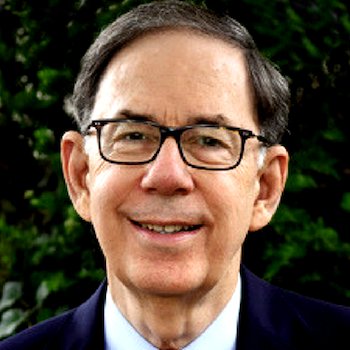
Thomas A. Tarrants
Author, President Emeritus, CSLI Thomas A. Tarrants is President Emeritus of the C.S. Lewis Institute. After serving twelve years as president and nine years as vice President, he retired from his position as Vice President for Ministry and Director, Washington Area Fellows Program, with CSLI in June 2019. He holds a Master's of Divinity Degree, as well as a Doctor of Ministry Degree in Christian Spirituality. Tom is an ordained minister in the Evangelical Church Alliance and a member of the Evangelical Theological Society. He spends his time writing, mentoring, consulting and traveling. His life story is told in Consumed by Hate, Redeemed by Love, published by Thomas Nelson Publishers.